
Electric cars are often called zero-emission, but what is the real impact in Indonesia? Here is a practical explanation of emissions from well to wheel.
Electric Cars and the Environment: Calculating the Real Emissions Impact
Electric cars are often promoted as zero-emission vehicles. Technically, that claim is true at the tailpipe: no CO2, NOx, or particulate matter comes out while the car is moving. However, the full environmental picture does not stop there. Emissions still arise from the power plants charging the battery, from battery production, and from component disposal at the end of life. For prospective buyers in Indonesia, understanding this chain matters so that buying an electric car truly aligns with the intention of reducing one's carbon footprint.
On-Road Emissions: Zero, but with Caveats
On the road, a BYD Atto 3 or Hyundai Ioniq 5 produces no exhaust emissions. This has a direct impact on urban air quality, especially in congested cities. The absence of tailpipe emissions means reduced exposure to NOx and fine particulates on streets frequented by pedestrians and motorcyclists. Yet this benefit only materializes if the electricity used is not entirely generated from fossil fuels.
Indonesia's Power Mix Determines the Size of the Benefit
In Indonesia, most electricity is still produced from coal, followed by gas and renewables. This means every kWh entering an EV battery carries "hidden emissions" from the power plant. As a rough estimate, per-kilometer emissions from electric cars in Indonesia are still lower than comparable gasoline cars, but not zero. The larger the share of renewables in the national power mix, the greater the environmental advantage of electric cars.
Electric cars are not emission-free vehicles; they move emissions from the road to the power plant. The question is how clean that plant is and how efficient the car is.
Battery Production: The Often-Forgotten Carbon Footprint
Lithium-ion batteries are the component with the largest production carbon footprint in an electric car. Mining lithium, nickel, and cobalt, along with manufacturing battery cells, requires significant energy and water. An electric car generally needs a certain driving distance before its total emissions catch up with a comparable gasoline car. In countries with cleaner electricity, that break-even point is reached sooner; in countries with a high fossil share, it takes longer.
The good news is that manufacturers continue to invest in LFP (lithium ferro phosphate) batteries that do not use cobalt, such as in the BYD Dolphin and Wuling Air ev. LFP batteries generally have a simpler material footprint and long service life, although their energy density is lower.
Practical Comparison: Electric vs Gasoline Cars
To provide a picture, here is a qualitative comparison of emissions impacts in daily use. Exact figures depend on the model, driving style, and electricity source.
| Aspect | Electric Car | Gasoline Car |
|---|---|---|
| Tailpipe emissions | Zero | CO2, NOx, particulates |
| Emissions from energy source | Depends on power mix | Embedded in fuel |
| Energy efficiency | Generally higher | Most energy lost as heat |
| Battery production footprint | Significant upfront | No large traction battery |
In general, the more often the car is used and the cleaner the electricity source, the greater the environmental advantage of electric cars. Conversely, an electric car that is rarely used and charged from fossil-fueled plants has a smaller environmental benefit.
Local Factors to Consider
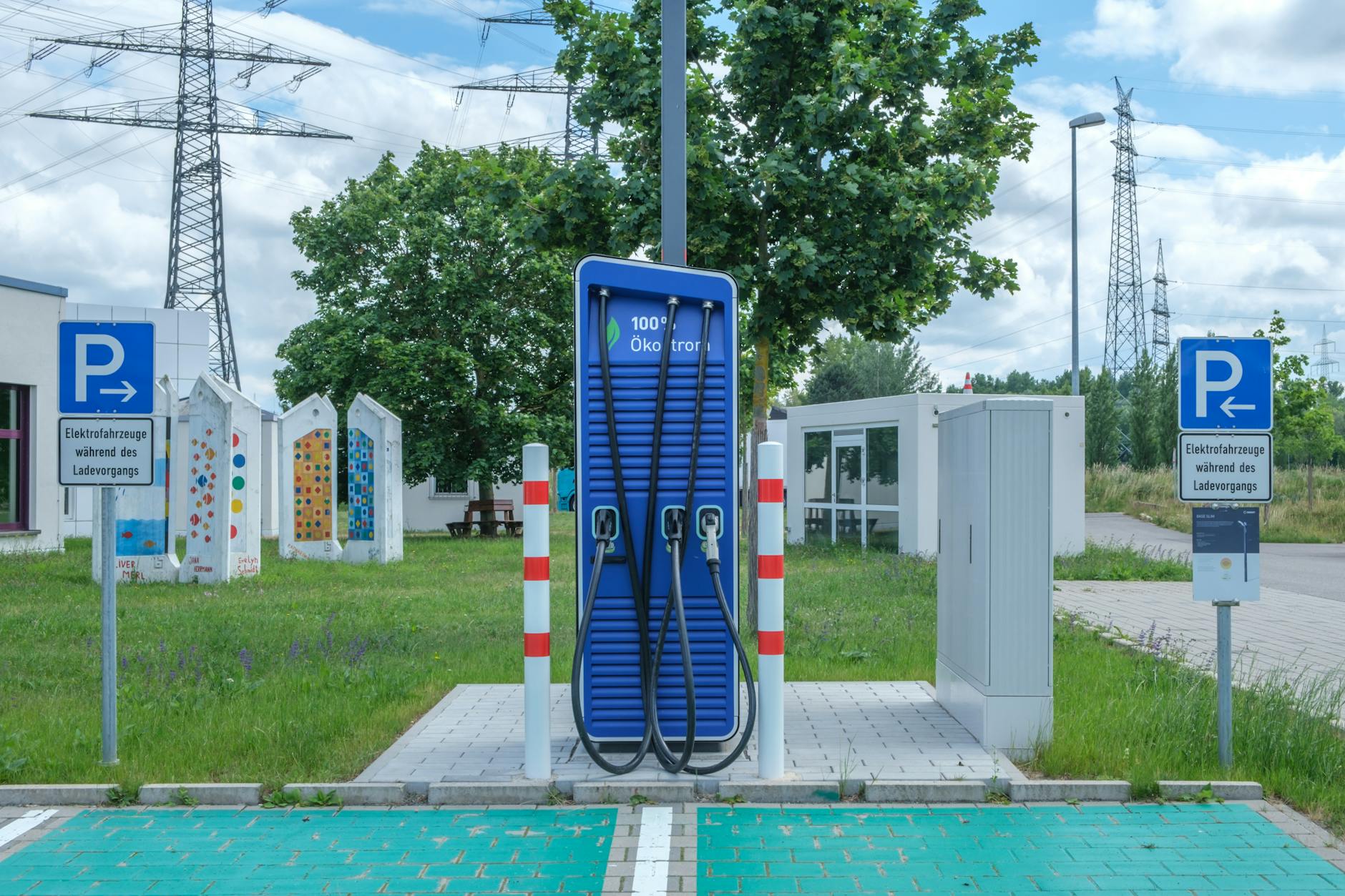
- Charging source: Charging at home with PLN electricity is still connected to the national grid. If you have access to rooftop solar, the benefit is much greater. Also see the SPKLU Map to plan charging on trips.
- Usage patterns: The higher the annual mileage, the faster an electric car "pays back" its production carbon footprint.
- Maintenance: Tires, battery cooling systems, and driving habits significantly affect energy efficiency.
- Battery recycling: Regulations and recycling infrastructure in Indonesia are still developing. This is a shared task so that environmental benefits do not end at the vehicle's service life.
Practical Conclusion for Prospective Buyers
Electric cars remain a more environmentally friendly choice than gasoline cars in most usage scenarios in Indonesia, especially when used regularly and charged from an increasingly clean grid. However, the "zero-emission" claim should be understood as "zero tailpipe emissions", not zero total emissions. By understanding the emissions chain from well to wheel, you can make a decision that is more honest toward the environment while still meeting your family's mobility needs.
Want to know which model best suits your usage patterns? Use the Savings Calculator to estimate energy costs, or Compare several models at once. For specific questions about emissions, batteries, or charging, ask EVA, EVPedia's AI assistant, who is ready to help you choose an electric car with more complete considerations.