Understand how regenerative braking works and learn efficient driving tricks to maximize your electric car's range on Indonesian roads.
For many people switching to an electric car, one of the most pleasant surprises isn't the instant acceleration but the sensation when you lift off the accelerator: the car slows down smoothly, and a number on the screen starts to climb. That's regenerative braking, a feature that converts motion back into electricity and stores it in the battery. In this article we'll explain how it works, then how to use it for more efficient driving on Indonesian roads.
What Is Regenerative Braking?
When an EV is moving, its electric motor spins. When you release the accelerator or press the brake, instead of relying only on conventional brake pads, the electronic system turns the motor into a generator. The spinning wheels produce electricity that is sent back to the battery. As a result, some of the energy normally lost as heat during braking is used to extend range.
That's why, in city traffic like Jakarta or Surabaya, regenerative braking becomes your friend. Every time you slow down, some energy is "harvested" back. This is why an EV's energy consumption in the city is often better than expected.
Regeneration Levels: From Light to One-Pedal
Almost all modern EVs offer several regeneration levels. Generally there are three:
- Low level: the car coasts almost like a petrol car. Great for empty toll roads because it doesn't disrupt smooth driving.
- Medium level: an all-rounder for mixed daily driving.
- High level / one-pedal driving: the car slows strongly enough that you hardly need to touch the brake pedal. Comfortable in traffic, but needs adaptation.
Some cars also have an automatic mode that adjusts regeneration to the distance of the vehicle ahead, or use paddle shifters behind the steering wheel to change levels without taking your hands off.
Tips for Efficient Driving with Regenerative Braking
1. Anticipate, don't chase
The key to efficiency is looking far ahead. If the red light is already visible, release the accelerator earlier and let regeneration slow the car. You avoid sudden braking while harvesting energy that would otherwise be wasted.
2. Use momentum on hills and descents
On mountain routes like Puncak or Bandung, long descents are golden moments for regeneration. Use a high level when going downhill so speed stays controlled and the battery gets charged, without relying on conventional brakes that can overheat.
3. Choose the level for the conditions
Don't force one-pedal on an empty toll road because you'll keep touching the accelerator to maintain speed. Conversely, in traffic, a high level saves foot movement and energy. Match it to the situation, not just to style.
4. Keep a steady speed
Regeneration helps, but the biggest energy consumer is still determined by speed and driving style. A steady speed in a reasonable range, with smooth acceleration, has a bigger impact than simply changing regeneration levels.
5. Watch cabin temperature settings
The AC draws a fair amount of power. Use eco mode, set a reasonable temperature, and take advantage of pre-cooling while the car is still charging. The combination of smooth driving and AC management is the best recipe for range.
Does Regenerative Braking Replace Normal Brakes?
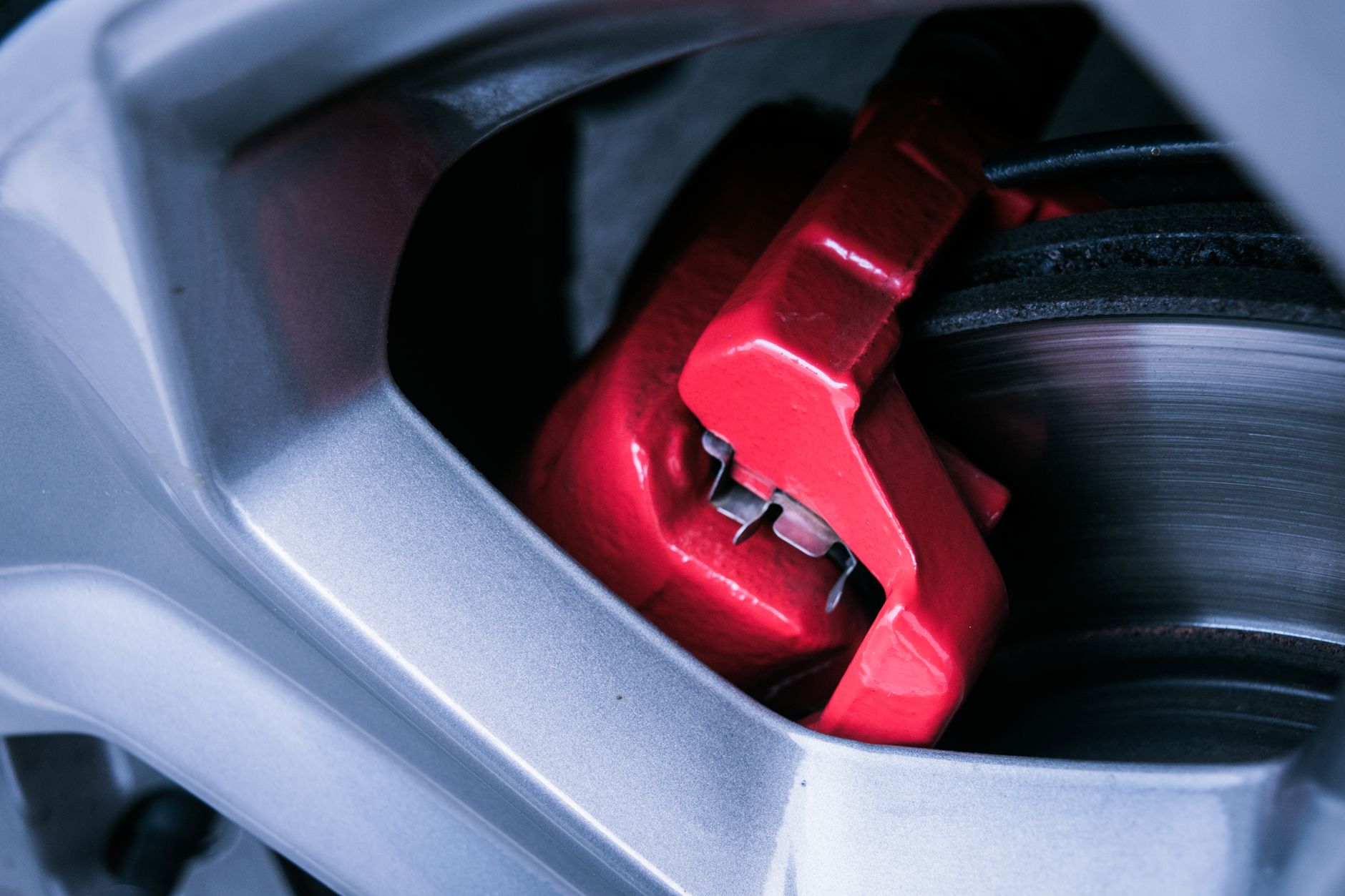
Not entirely. Conventional brakes still work during emergency braking or when the battery is full (because it can't accept more energy). So never rely on regeneration as your only way to stop. Treat regenerative braking as an energy-saving tool, not a replacement for safety functions.
Impact on Daily Costs
Efficient driving means fewer kWh consumed. With home electricity tariffs generally far cheaper than petrol per kilometer, the savings from these good habits are noticeable over a month. You can estimate them yourself with EVPedia's Savings Calculator, or compare several models through the Compare feature.
Keep in mind that every car has a different regeneration character. The Hyundai Ioniq 5 is known for its full range of levels via paddle shifters, while the BYD Atto 3 and Wuling Air ev offer simpler modes that are still effective for city use. For long trips, make sure you also know where the charging stations are via the SPKLU Map.
Conclusion
Regenerative braking is proof that EVs are designed so technology and driver habits support each other. With anticipation, the right level selection, and smooth driving, you can enjoy longer range while driving more comfortably. Start with small habits: release the accelerator earlier, look far ahead, and let the car work for you.
Still unsure which regeneration level suits your daily route, or want to know which model best fits your driving style? Ask EVA, EVPedia's AI assistant, directly and get recommendations tailored to your needs.